
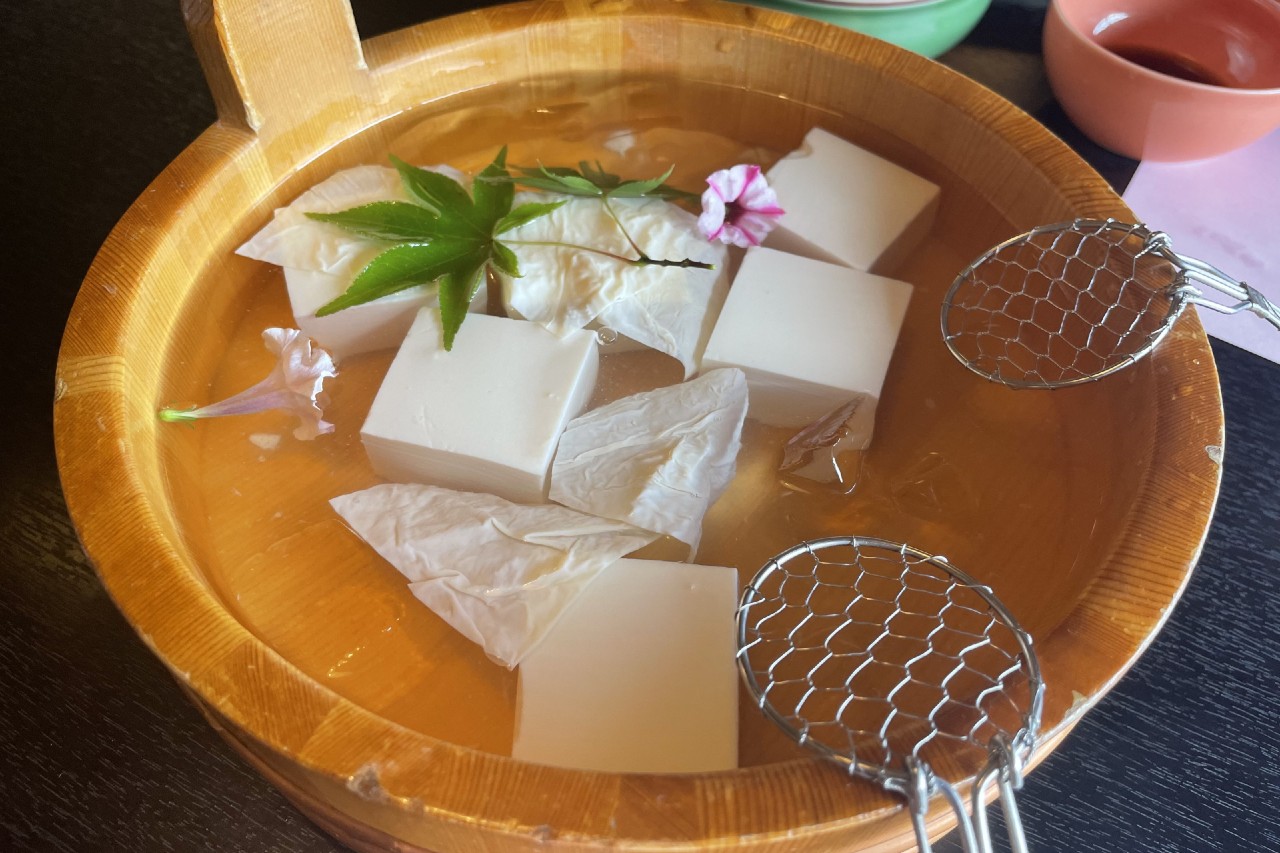
Is Japan vegetarian-friendly? For vegetarians who eat eggs and dairy, it’s manageable, especially in big cities. For vegans it takes more planning. Either way, the real obstacle is fish stock, not a lack of vegetables. Dashi, a broth usually made from dried bonito, goes into miso soup, noodle sauces, simmered vegetables and plenty of dishes that look entirely plant-based. Get three things right and eating becomes much easier: know which dishes hide dashi, say what you don’t eat in Japanese, and read convenience-store labels.
Decide where your line is before you go
Japan’s Tourism Agency tells restaurants that vegetarians avoid meat and seafood, and that vegans also avoid eggs, dairy, honey and gelatin. Its guide for restaurants (PDF, Japanese) specifically points out that removing meat and fish isn’t enough, because stock and seasonings need checking too. That advice is recent, though, and many kitchens still don’t think of dashi as fish. To a lot of cooks it’s simply seasoning.
So the question that matters most is this: will you accept food cooked in fish stock? Some vegetarians decide to relax on dashi while traveling, and it opens up most of Japanese cuisine. If you won’t, that’s fine too, but it changes where you can eat, and it’s the one thing you’ll need to spell out every time.
| What you eat | What to watch for in Japan | Difficulty |
|---|---|---|
| Pescatarian | Very little; fish is everywhere | Easy |
| Vegetarian, OK with dashi | Meat, meat broths and meat extracts | Fairly easy |
| Vegetarian, no fish stock | Dashi in soups, sauces, simmered dishes and noodles | Moderate |
| Vegan | Dashi, plus egg, dairy, honey and gelatin, including in bread and sweets | Harder |
The dashi problem
What dashi is
Dashi is the base stock of Japanese cooking, and there are several kinds. Only two of them are plant-based.
| Type | Japanese | Made from | Plant-based? |
|---|---|---|---|
| Katsuo dashi | かつおだし | Dried bonito flakes (katsuobushi) | No |
| Niboshi dashi | 煮干しだし | Dried baby sardines | No |
| Awase dashi | 合わせだし | Kelp and bonito together | No |
| Kombu dashi | 昆布だし | Kelp only | Yes |
| Shiitake dashi | しいたけだし | Dried shiitake mushrooms | Yes |
Japan Pocket Wifi Rental
Japan eSIM : Fast & Easy & UNLIMTED
Japan Travel eSIM
When a restaurant just says “dashi,” assume it contains fish unless they tell you it’s kombu or shiitake. Awase dashi is the everyday default, and the kelp in it doesn’t make it vegetarian.

Dishes that look vegetarian but usually aren’t
These are the dishes that catch vegetarians out most often. None of them is impossible, but each one needs a question before you order.
| Dish | What usually hides in it |
|---|---|
| Miso soup | Fish dashi; some miso even comes pre-mixed with dashi |
| Soba and udon | The dipping sauce or broth (tsuyu) is bonito-based |
| Vegetable tempura | Dashi in the dipping sauce; egg in the batter |
| Agedashi tofu, simmered vegetables (nimono) | Dashi broth |
| Chilled tofu (hiyayakko), blanched greens (ohitashi) | Bonito flakes on top, dashi in the sauce |
| Okonomiyaki, takoyaki | Dashi in the batter, bonito flakes on top, egg |
| Japanese curry | Most curry roux contains beef or pork fat and meat extract |
| Ramen | Pork, chicken or fish broth, even in “vegetable” ramen |
| Inari sushi, tamagoyaki | The tofu pouch or the omelet is often seasoned with dashi |
| Gyoza | Pork in the filling unless labeled vegetable |
What’s usually lower-risk? Yudofu (tofu simmered in kombu broth), cucumber and pickled-plum sushi rolls, edamame, grilled vegetables with salt, and tofu or eggplant grilled with miso (dengaku). For tempura, ask for salt instead of the dipping sauce. Even these can surprise you, so the phrases in the next section are still worth using.
How to say it in Japanese
Saying “I’m vegetarian” on its own often isn’t enough. Staff may take it to mean “no visible meat” and still serve you a dashi-based broth. Spell out fish stock separately. Showing it in writing works better than saying it: staff can take it to the kitchen, and there’s less room for misunderstanding.
| Japanese | Reading | Meaning |
|---|---|---|
| ベジタリアンです。肉と魚は食べません。 | Bejitarian desu. Niku to sakana wa tabemasen. | I’m vegetarian. I don’t eat meat or fish. |
| かつおや煮干しのだしも食べられません。 | Katsuo ya niboshi no dashi mo taberaremasen. | I can’t have bonito or sardine stock either. |
| 昆布だしなら大丈夫です。 | Konbu-dashi nara daijōbu desu. | Kelp stock is fine. |
| 卵と乳製品も食べられません。 | Tamago to nyūseihin mo taberaremasen. | I can’t have egg or dairy either. (vegan) |
| これに魚のだしは入っていますか? | Kore ni sakana no dashi wa haitte imasu ka? | Does this contain fish stock? |
| 肉や魚を使っていない料理はありますか? | Niku ya sakana o tsukatte inai ryōri wa arimasu ka? | Do you have any dishes without meat or fish? |
| かつお節なしでお願いします。 | Katsuobushi nashi de onegaishimasu. | Without bonito flakes, please. |
For a sit-down meal, a card on your phone is easier than a list of phrases. Screenshot whichever version fits you. The last line matters: it tells staff it’s fine to say no, which is far better than a kitchen guessing to avoid disappointing you.
私はベジタリアンです。肉・魚・魚介類を食べられません。かつお節や煮干しのだし、チキンやポークのスープやエキスも食べられません。卵と乳製品は大丈夫です。昆布だし・しいたけだしは大丈夫です。対応が難しい場合は、遠慮なくおっしゃってください。
(I’m vegetarian. I can’t eat meat, fish or seafood, including bonito or sardine stock and chicken or pork broth or extract. Egg and dairy are fine. Kelp and shiitake stock are fine. If this is difficult, please feel free to tell me.)
私はヴィーガンです。肉・魚・魚介類・卵・乳製品・はちみつ・ゼラチンを食べられません。かつお節や煮干しのだし、チキンやポークのスープやエキスも食べられません。昆布だし・しいたけだしは大丈夫です。対応が難しい場合は、遠慮なくおっしゃってください。
(I’m vegan. I can’t eat meat, fish, seafood, egg, dairy, honey or gelatin, including bonito or sardine stock and chicken or pork broth or extract. Kelp and shiitake stock are fine. If this is difficult, please feel free to tell me.)
Convenience stores: read the label, not the photo
Convenience stores (konbini) are open everywhere and around the clock, so they’re the backup most vegetarians end up relying on. The front of the package won’t tell you much. The back will, once you know where to look.
Where to look on the package
Every packaged food in Japan has a label block, and the line to read is 原材料名 (genzairyō-mei, “ingredients”). Ingredients are listed in order of weight, and anything with parentheses, such as たれ(しょうゆ、かつお節エキス…), is a sub-ingredient list worth reading too. Your phone’s camera translation can help, but it often garbles extract names, so the word list below is more reliable.
Don’t rely on the allergen box. Japan requires allergen labels for only nine items: shrimp, crab, walnuts, cashews, wheat, buckwheat, egg, milk and peanuts. Beef, pork, chicken and gelatin are on a separate voluntary list, and bonito and sardines aren’t on either list. A product can have a clean-looking allergen box and still contain fish extract, so check the ingredient list itself.
| On the label | Reading | What it is |
|---|---|---|
| かつお節、かつおエキス | katsuobushi, katsuo ekisu | Bonito flakes, bonito extract |
| 魚介エキス、煮干し、魚醤 | gyokai ekisu, niboshi, gyoshō | Seafood extract, dried sardines, fish sauce |
| チキンエキス、ポークエキス、ビーフエキス | chikin / pōku / bīfu ekisu | Chicken, pork, beef extract |
| ラード、豚脂、牛脂、動物油脂 | rādo, tonshi, gyūshi, dōbutsu yushi | Lard, pork fat, beef fat, animal fat |
| ゼラチン、コラーゲン | zerachin, korāgen | Gelatin, collagen |
| 卵、卵白、卵黄 | tamago, ranpaku, ran’ō | Egg, egg white, egg yolk |
| 乳、乳製品、バター、チーズ、乳糖 | nyū, nyūseihin, batā, chīzu, nyūtō | Milk, dairy, butter, cheese, lactose |
| はちみつ | hachimitsu | Honey |
Some words look alarming but are usually fine. 酵母エキス (kōbo ekisu) is yeast extract, 植物油脂 (shokubutsu yushi) is vegetable oil, 調味料(アミノ酸等) is an amino-acid seasoning such as MSG, and 昆布エキス and しいたけエキス are kelp and shiitake extract. A few are ambiguous and can come from plants or animals, such as 乳化剤 (emulsifier) and たん白加水分解物 (hydrolyzed protein). Strict vegans may want to skip those.
What’s usually a safe bet
Plain salt rice balls (塩むすび, shio-musubi) and pickled-plum rice balls (梅, ume) are the usual starting point. Check the ume ones, though: かつお梅 means the plum is flavored with bonito. Kelp rice balls (昆布) are sometimes fine and sometimes contain fish extract in the simmering sauce. Edamame, cut fruit, nuts, soy milk, plain tofu, bananas and roasted sweet potatoes are reliable, and many stores now stock plant-based snacks and soy-meat products.
Two items trip people up. Natto (fermented soybeans) is plant-based, but the little sauce packet inside usually contains bonito extract, so use soy sauce instead. And the hot-food counter by the register is almost entirely meat, including the steamed buns. Supermarkets and department-store food halls (depachika) have much bigger ranges and the same labels, so they’re worth a visit if you’re staying a few days.
Where eating out is easiest
Temple cuisine (shojin ryori)
Shojin ryori is the vegetarian cooking of Zen Buddhist temples. It uses no meat or fish, and the stock is made from kombu or shiitake, so it’s the one traditional Japanese cuisine where you don’t need to ask about dashi. Most dishes are also free of egg and dairy, which makes it one of the safest options for vegans too. Kyoto has the most temple restaurants, and Kamakura and Tokyo have several. At Koyasan in Wakayama, many temples take overnight guests and serve shojin dinners and breakfasts.
It’s a set-course meal served on small dishes, and it’s priced like one: expect several thousand yen and up, with booking usually required. Mention if you’re vegan when you book, since a few dishes may use honey or other exceptions.

Vegan restaurants, Indian restaurants and chains
Dedicated vegan and vegetarian restaurants are easiest to find in Tokyo, Kyoto and Osaka, including vegan ramen shops. Restaurants open and close often, so use HappyCow or search “vegan” and ビーガン on Google Maps for current options, and check recent reviews. On packaged food and some menus, look for the words ヴィーガン (vegan) or ベジタリアン (vegetarian), or a V mark. Japan now has national JAS standards for vegetarian and vegan food and restaurants, alongside several private certification marks.
Indian and Nepali restaurants are everywhere in Japan and almost always have vegetarian curries. Vegans should note that naan is often made with milk or egg and that ghee is common, so rice may be the safer side. Large chains often publish allergen charts on their websites, but these follow the same labeling rules as packaged food, so fish stock usually isn’t listed. Use them to rule dishes out, not to confirm they’re vegetarian.
Outside the big cities
Rural Japan is where it gets harder. Vegetarian restaurants are rare, menus are rarely in English, and a traditional inn’s dinner is usually a fixed multi-course meal built around local fish and meat. If you’re staying at a ryokan with meals included, tell them when you book, using the card text above, and give them a few days’ notice. Many will prepare a vegetarian set if asked in advance. Few can do it on the night.
Carry a backup for travel days: nuts, a few rice balls, fruit, or anything from a konbini you’ve already checked. Train station shops and highway service areas sell bento boxes, but vegetarian ones are uncommon.
Practical notes
Download HappyCow and a camera translation app before you go, and screenshot the cards above so they work without a signal. When in doubt at a restaurant, pointing at the card and asking これに魚のだしは入っていますか? solves most problems in a few seconds.
Translating ingredient labels with your camera, checking HappyCow and Google Maps for vegan restaurants, and messaging a ryokan about your meals all need data. CDJapan Rental’s eSIM runs on docomo, Japan’s largest network, so it holds up in rural towns and train stations too. Buy it online and activate it by scanning a QR code, with no SIM card to swap.
FAQ
Is soy sauce vegetarian?
Plain soy sauce is, since it’s made from soybeans, wheat and salt. The catch is flavored versions: だし醤油 (dashi soy sauce) and the ready-made noodle sauce つゆ (tsuyu) usually contain bonito. If the bottle on the table says だし, treat it like dashi.
Are Japanese sweets vegan?
Many traditional ones are. Sweet bean paste (anko), plain mochi and yokan are usually just beans, rice, sugar and agar. Dorayaki and castella contain egg, and Western-style jellies often use gelatin, while Japanese jellies made with 寒天 (kanten, agar) are seaweed-based.
Is bread in Japan vegan?
Usually not. Japanese bakery and convenience-store bread tends to be soft and sweet because it contains milk, butter or egg, even when it looks plain. Look for 乳 (milk) and 卵 (egg) in the ingredient list, or buy from bakeries that label vegan loaves.
Can vegetarians eat at an izakaya?
Yes, with some ordering. Edamame, grilled vegetables with salt, pickles and potato dishes are common, but chilled tofu usually comes topped with bonito flakes. The small starter (otoshi) served automatically at many izakaya can contain fish, so mention it when you sit down.
Are Japanese pickles vegetarian?
Most are, since tsukemono are vegetables pickled in salt, rice bran, vinegar or miso. Some seasoned pickles use bonito extract, and kimchi sold in Japan can contain fish sauce or shrimp. On packaged pickles, the ingredient list tells you.
Related reading
Short trip or long stay — we've got you covered
Best for Travelers
Japan eSIM
From ¥2,800 — activate before you land
- Cheaper than airport & convenience store SIMs
- 5-day to 135-day plans; unlimited or data-capped
- No SIM swap needed — ready in 2 minutes
Best for Long Stays
Monthly Pocket WiFi
From ¥5,500/mo — unlimited, no throttle
- Choose WiMAX 5G or SoftBank 4G coverage
- 3 to 12-month contracts — longer means cheaper
- Delivered to your hotel or airport post office


