
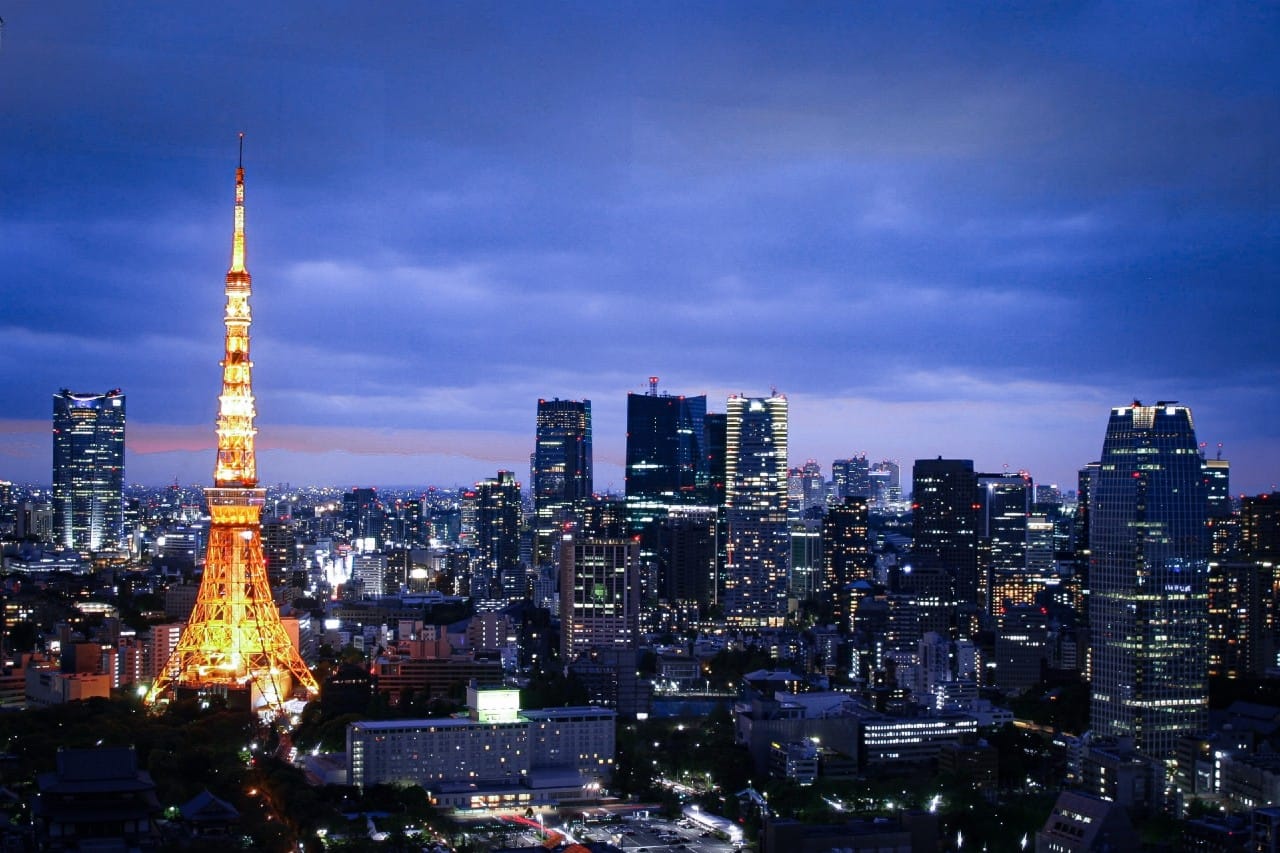
For travelers of all kinds, Tokyo feels both familiar and overwhelming — ancient temples, trendy neighborhoods, immersive art museums, and major theme parks all coexist within one city. This article focuses on “itinerary design,” summarizing classic and emerging attractions worth visiting in 2025, along with suggested one-day and multi-day routes, plus practical tips on transportation, tickets, and mobile internet to help you plan smoothly and explore deeply.
Introduction|Why is Tokyo worth visiting?
Tokyo blends the classical and the avant-garde: from the incense-filled approach of Asakusa to the youth culture of Harajuku, from the solemn Imperial Palace to the futuristic Odaiba coast. Convenient transportation, widely available bilingual signage (Chinese/English), and diverse food options make it one of the easiest and most frequently revisited overseas destinations for travelers from Taiwan. In 2025, Tokyo continues to innovate in digital art, observatories, and themed experiences, while its classic landmarks remain as charming as ever — suitable for families, couples, friends, or solo travelers.
This chapter categorizes Tokyo’s attractions into five types: must-visit classics, modern/Instagram-friendly spots, emerging/less-visited areas, family-friendly/theme parks, and shopping/food districts. This classification helps you quickly choose and combine attractions based on trip length, companions, and interests. Each subsection introduces individual spots with historical background or fun facts, must-see highlights, and recommended traveler types, making it easier to determine priorities when planning.
Must-Visit Classic Attractions
Asakusa (Sensoji Temple)

Japan Pocket Wifi Rental
Japan eSIM : Fast & Easy & UNLIMTED
Japan Travel eSIM
Sensoji Temple is one of Tokyo’s most iconic ancient temples, with origins dating back to the 7th century. The massive red lantern of Kaminarimon and the traditional snack stalls along Nakamise-dori are symbolic images of Tokyo. During the day, visitors can enjoy temple rituals, fortune slips, or kimono photo sessions; at night, the area becomes quieter and more atmospheric. For first-time visitors, Asakusa offers the quickest way to experience Japanese traditional culture and old-town charm. Photography lovers may prefer early morning or dusk for better lighting and fewer crowds.
Official Website: Senso-ji Temple
Tokyo Tower

The red-and-white Tokyo Tower, completed in 1958, remains one of the defining images of the city. Though shorter than Tokyo Skytree, it carries a nostalgic cinematic charm reminiscent of classic postcards. Its evening illumination is especially enchanting. Inside, you’ll find observation decks, souvenir shops, and even a small shrine (Tower Daijingu). You can visit in the daytime for panoramic views or enjoy a dinner with city lights nearby at night. Tokyo Tower is ideal for travelers interested in classic cityscapes, retro night views, or Japan’s postwar modernization history.
Official Website: Tokyo Tower
Ueno Park & Museum District


Ueno is Tokyo’s cultural heart, home to the Tokyo National Museum, National Museum of Western Art, National Museum of Nature and Science, and Ueno Zoo. In spring, cherry blossoms fill the park, making it a prime hanami spot. For indoor-focused travelers, the museums offer high-quality permanent collections. Ueno is suitable for families or anyone wishing to spend half a day in museums. Transportation is convenient, and the nearby Ameyoko market offers plenty of food and affordable shopping.
Official Website: Ueno Park & Tokyo National Museum
Meiji Jingu Shrine


Located next to busy Harajuku Station, Meiji Jingu offers an immediate shift from bustling streets into quiet forest paths. Dedicated to Emperor Meiji and Empress Shoken, it is one of Tokyo’s most representative shrines, known for its wide gravel paths and serene atmosphere. Millions visit during New Year and festivals, and many Japanese weddings take place here.
Walking through its long forested path gives a peaceful contrast to city life. The shrine’s amulets (omamori) are famous — for health, love, career, and more. Some jokingly claim they are “especially effective,” with visitors sharing stories of wishes coming true. Whether mystical or not, the space naturally inspires respect.
Morning visits are recommended for soft light and tranquility. Afterward, you can walk to Omotesando for coffee, enjoying the shift from sacred calm to fashionable urban energy.
Official Website: Meiji Jingu Shrine
Modern Instagram Spots & Observatories
Tokyo Skytree

Tokyo Skytree stands out with its height and futuristic design. At 634 meters, it offers one of the best vantage points for modern cityscapes and night views. The Solamachi mall beneath it contains restaurants, souvenir shops, and themed stores, plus the Sumida Aquarium. On clear days, you may even see Mount Fuji from the observation deck. Many films and commercials use views around the tower. Pre-booking tickets helps avoid lines, and you should allocate 1.5–2 hours for the visit.
Official Website: Tokyo Skytree
SHIBUYA SKY

Located atop Shibuya Scramble Square, SHIBUYA SKY features a rare open-air rooftop observatory offering sweeping views of Shibuya and beyond. Sunset is especially popular for catching both dusk and night scenery — great for couples and photographers. It fits well into a trendy Shibuya day itinerary and connects easily with nearby shopping.
Official Website: SHIBUYA SKY
Art & Immersive Experiences
teamLab Planets / teamLab Borderless

teamLab exhibitions feature interactive digital spaces created through light, sound, and motion. Many installations require removing shoes or interacting physically with the artwork. These exhibitions appeal not only to young travelers and Instagram users but also to those interested in the fusion of art and technology. Tickets are time-slotted, so booking ahead and allowing ample time is essential.
Official Website: teamLab Planets
Ghibli Museum (Mitaka)
The Ghibli Museum is dedicated to the works of Hayao Miyazaki, featuring sketches, models, and exclusive short films. As entry is strictly by reservation with limited tickets, it’s often called an “impossible-to-buy-on-the-spot museum.” Beyond the exhibits, the building and gardens radiate a whimsical fairy-tale charm. It suits families, couples, and animation fans. Since it’s located in Mitaka, plan transportation accordingly and set aside half a day to a full day.
Official Website: Ghibli Museum, Mitaka
Emerging / Less-Visited Neighborhoods
Daikanyama & Ebisu

Daikanyama is known for stylish boutiques, independent bookstores, and its laid-back café culture. Clean streets and tasteful aesthetics make it perfect for escaping mainstream tourist crowds. Nearby Ebisu offers a calmer upscale commercial district with plenty of dining options. Both areas suit travelers who enjoy design, coffee, curated shops, and photo-friendly streets.
Jiyugaoka & Nakameguro
Jiyugaoka is famous for dessert shops and lifestyle boutiques, while Nakameguro is loved for cherry blossoms and riverside night lighting. These areas are favorites of locals and returning travelers. Visit Nakameguro in spring for picturesque riverside strolls; visit Jiyugaoka if you love desserts and afternoon tea.
Kichijoji
Kichijoji offers lively shopping streets and the relaxing Inokashira Park, combining local charm with easygoing vibes. It’s ideal for a slow day of wandering cafés and alleyways. Since the Ghibli Museum is nearby, the two can be combined into a single itinerary.
Family / Theme Parks
Tokyo Disneyland / DisneySea

Tokyo Disney Resort is one of Asia’s most beloved theme parks. Both Disneyland (classic charm) and DisneySea (themed adventure) have their own iconic attractions. Seasonal events — cherry blossom, Halloween, Christmas — add variety to every visit. Due to large crowds and time-slot systems, purchasing tickets in advance and using the official app for wait times and reservations is highly recommended.
Official Website: Tokyo Disneyland / Tokyo DisneySea
Aquariums & Zoos (e.g., Sumida Aquarium, Ueno Zoo)
For rainy days or family trips, aquariums and zoos are solid options. Sumida Aquarium near Skytree features aquatic creatures and seasonal exhibits; Ueno Zoo is a long-established urban zoo with a wide variety of animals. These attractions provide a relaxing break from fast-paced city touring.
Official Website: Sumida Aquarium
Shopping & Food Districts
Harajuku Takeshita Street

Takeshita Street is a short but extremely lively pedestrian shopping street extending from JR Harajuku Station. It represents youth subculture with colorful shops, themed dessert stalls (especially handheld crepes), and numerous stores selling trendy accessories and indie designs. Highly photogenic and great for trend-spotting. Try signature treats like rainbow cotton candy or deluxe crepes. Because the street is narrow and popular, weekends are very crowded. For a smoother visit, go in the morning or on weekdays and continue to nearby Laforet Harajuku or Cat Street for deeper exploration.
Omotesando
Omotesando is known for its tree-lined avenue and architectural beauty, blending luxury shopping with modern design. International flagships, designer boutiques, chic cafés, and landmarks like Omotesando Hills contribute to its refined atmosphere. Perfect for travelers interested in architecture, design, or premium shopping. Wandering through side alleys may reveal hidden galleries and indie shops.
Shibuya & Shibuya Scramble Crossing

Shibuya is Tokyo’s pulse — a hub of fashion, shopping, and nightlife. Daytime offers major youth-focused malls; nighttime brings neon lights and dynamic crowds. The Scramble Crossing and Hachiko statue are iconic scenes often featured in media. You can view the crossing from nearby observation decks for an elevated perspective. Be aware of crowd control or event schedules during peak hours.
Ginza

Ginza is Tokyo’s most elegant high-end district, blending modern sophistication with traditional luxury. It features major department stores, international flagships, Michelin restaurants, and lifestyle stores. Popular spots include Ginza Mitsukoshi, Matsuya, Wako, GINZA SIX, Tokyu Plaza Ginza, and the world’s largest MUJI store. Loft Ginza is great for lifestyle goods. The area is particularly charming at night, perfect for strolling, shopping, or celebrating special occasions.
Tokyo One-Day & Multi-Day Itinerary Suggestions
One-Day Sample A|Classic Cultural Route (ideal for first-timers)
09:00 Asakusa: temple visit & Nakamise snacks
11:30 Ueno Park/Museums: half-day cultural visit
14:30 Tokyo Skytree: shopping + observatory
17:30 Dinner (Skytree area or return to Asakusa)
This route connects history, culture, and modern skyline with minimal travel time — perfect for first-timers wanting to cover key landmarks in one day.
One-Day Sample B|Trendy Fashion Route (ideal for photography & shopping)
10:00 Harajuku Takeshita Street: shopping & desserts
12:00 Meiji Jingu: nature walk in the city
14:00 Omotesando: lunch & boutique browsing
16:00 Shibuya: SHIBUYA SKY + Scramble Crossing photos
19:00 Dinner & evening stroll
One-Day Sample C|Theme Park Full Day
All day Tokyo Disneyland / DisneySea
For theme parks, book tickets in advance and use the official app to manage wait times and reservations.
Multi-Day Itinerary Suggestions (2–4 days)
- 2 days: Day 1 Classics (Asakusa / Ueno / Skytree) → Day 2 Fashion (Harajuku / Shibuya / Omotesando)
- 3 days: First two days as above, Day 3 choose Disney or Ghibli Museum/Kichijoji
- 4 days: Add a day trip to Hakone, Fuji Five Lakes, Nikko, or Kamakura; consider an overnight stay depending on transit time
Useful Tips|Read Before You Go
Transportation & Tickets
Getting a Suica or PASMO IC card makes metro and bus travel convenient, and many stores accept them as payment. If you expect to use JR trains frequently (especially for areas beyond Shinjuku), consider JR short-term passes or compare single-ticket prices. Major exhibitions and theme parks often use date- or time-specific entry, so always check refund rules and pick-up methods before booking.
Recommended reading:
- Suica Guide: How to Buy a Suica Card in Japan
- Japan Shinkansen Ticket Purchase & Riding Guide: A Must-Read for First-Time Visitors
- How to Reserve Shinkansen Tickets in Japan: A Step-by-Step Smart EX Guide
Mobile Internet (eSIM / Pocket WiFi)
Stable internet access is essential for route searching and social sharing. eSIM is ideal for light travelers (install and use instantly), while pocket WiFi suits groups or heavy data users. When choosing, confirm band compatibility, daily limits (if any), and the number of connected devices.
Season, Clothing & Peak Season Tips
Cherry blossom season (typically March–April), Golden Week, summer vacation, and year-end holidays are Tokyo’s peak travel periods—expect higher accommodation and ticket prices and larger crowds at attractions. Spring and autumn offer the most comfortable weather and are ideal for independent travel; winter is atmospheric for night illuminations and light-ups, so remember to bring sufficient warm clothing.
Etiquette for Traveling in Japan
- Keep noise to a minimum in public spaces and avoid loud phone conversations on trains.
- When visiting temples or shrines, respect local customs—for example, follow proper worship procedures and observe photography rules.
- When paying, place cash or cards on the small tray provided by staff; some restaurants may require you to remove your shoes.
Tips for Designing Your Itinerary
The key to planning a Tokyo itinerary is to “group multiple attractions within the same area” and to “allow flexible time.” Compressing each day’s travel radius into one neighborhood reduces time spent in transit and improves the quality of your experience. For major attractions (such as teamLab, the Ghibli Museum, or Tokyo Disney Resort), be sure to book and purchase tickets in advance.
Note: This guide summarizes common travel trends and attractions for 2025. Opening hours, ticketing rules, and transportation information may change—please confirm the latest details on each attraction’s official website or authorized ticketing channels before your trip.
Short trip or long stay — we've got you covered
Best for Travelers
Japan eSIM
From ¥2,800 — activate before you land
- Cheaper than airport & convenience store SIMs
- 5-day to 135-day plans; unlimited or data-capped
- No SIM swap needed — ready in 2 minutes
Best for Long Stays
Monthly Pocket WiFi
From ¥5,500/mo — unlimited, no throttle
- Choose WiMAX 5G or SoftBank 4G coverage
- 3 to 12-month contracts — longer means cheaper
- Delivered to your hotel or airport post office


