
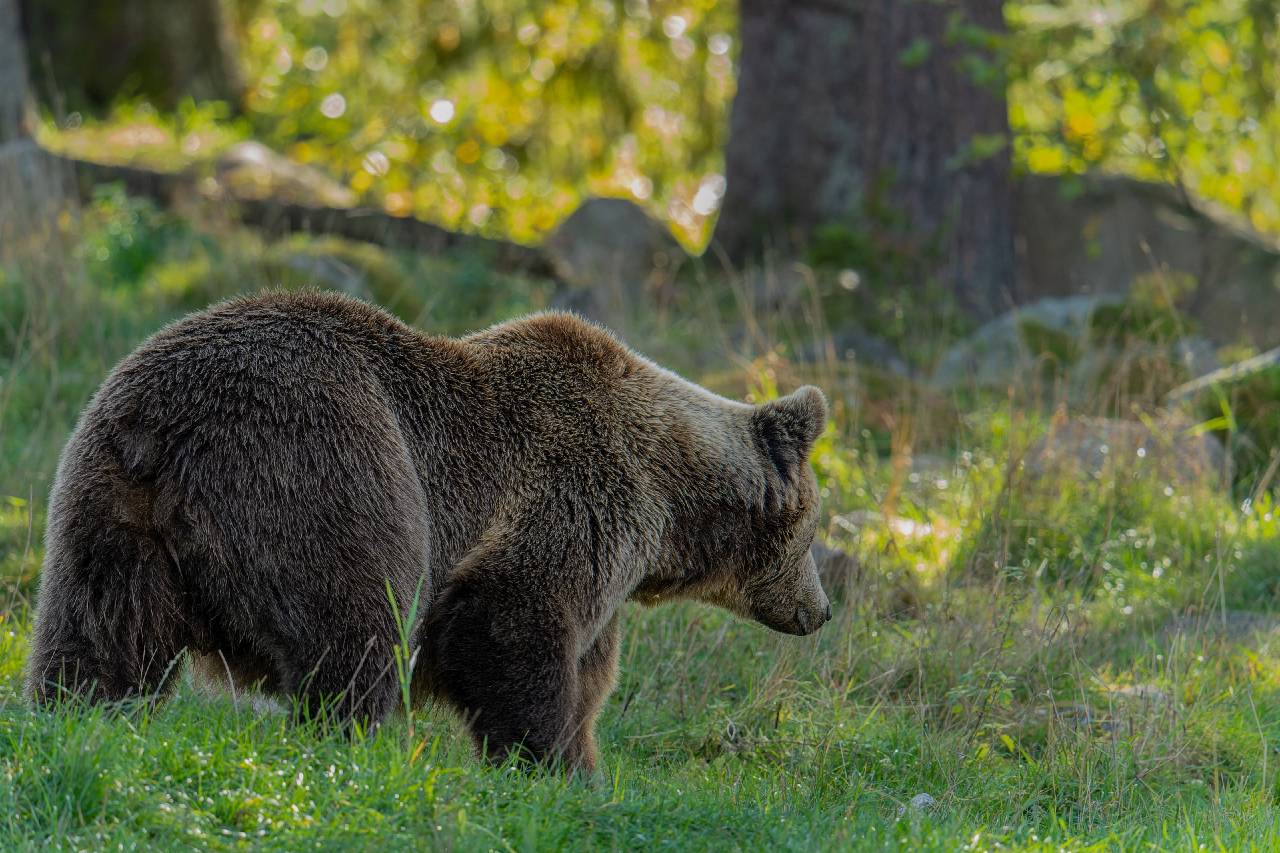
Recently, Japanese media has highlighted a sharp increase in bear-related incidents. Between April and October this year alone, 176 bear-related accidents resulted in 196 victims—marking the most severe numbers for this period since statistics began in 2006.
For travelers planning to visit Japan—especially those interested in nature, hiking, or rural destinations—understanding the current bear situation and necessary safety measures is extremely important.
Why Are Bears Appearing So Frequently? The Reasons Behind the Increase

In recent years, bear sightings and human–bear conflicts in Japan have increased significantly. This isn’t due to a single cause; instead, it reflects changes in both the natural environment and human society.
- Food shortages in the mountains: Bears traditionally rely on nuts such as acorns, chestnuts, and walnuts. In recent years, climate change and extreme weather have led to poor nut harvests, forcing bears to leave the mountains and search for food in human-populated areas.
- Ecological and demographic changes: Rural depopulation and the shrinking buffer zones between forests, farmland, and residential areas mean that boundaries once separating humans and wildlife are fading. As a result, bears are no longer limited to deep mountains—they now appear near villages, small towns, roads, and even the edges of residential zones.
- The rise of “urban/rural bears”: Some bears have become less fearful of humans and human sounds, venturing into populated or tourist areas. This increases the likelihood of encounters with ordinary travelers.
Japan Pocket Wifi Rental
Japan eSIM : Fast & Easy & UNLIMTED
Japan Travel eSIM
In other words, you might encounter a bear even if you are not deep in the mountains—especially in areas where nature and residential zones overlap.
Japan’s Latest Bear Activity Overview (2023–2025)

Trends in Bear Sightings & Human Injuries (2023–2025 / Reiwa 5–7)
| Category | 2023 (R05) | 2024 (R06) | 2025 (R07, Preliminary) | Key Notes |
|---|---|---|---|---|
| Nationwide Sightings | Moderate — still high in certain regions | Increasing — many prefectures reported more sightings | Continuing to rise (significant increases in some areas) | From 2024 to 2025, sightings have generally increased, especially in Tohoku and northern Japan. |
| Human Injuries (incl. fatalities) | Relatively low, though regional cases occurred | Increased — several prefectures recorded more injuries | Preliminary data shows cases remain above past averages in some areas | Not every sighting leads to injury, but 2025 reports show more human–bear conflicts overall. |
| High-Risk Regions | Tohoku & northern Japan particularly active | Tohoku & northern Japan remain high-risk; some areas in Chubu & Hokuriku also rising | Tohoku & northern Japan continue to see frequent sightings; parts of Chubu & Kansai show increases | Travelers visiting Aomori, Iwate, Akita, and nearby regions should check local alerts. |
| Distribution Trend (Habitat Shift) | Mainly mountain areas; some low-elevation sightings | More cases near farmland & residential edges | Increased sightings near low elevations & residential borders | The idea that “bears only appear in deep mountains” is no longer accurate. |
| Overall Travel Risk | Moderate to High — risk is manageable with proper precautions | Travelers should check local advisories, avoid early morning/evening mountain areas, secure food/garbage, and consider carrying bear bells or spray where permitted. | ||
Key Bear Sightings & Injury Data (2023–2025 / Reiwa 5–7)
Source: Ministry of the Environment (Japan) + media reports. Statistical periods differ slightly each year; data should be viewed as trend indicators.
| Fiscal Year | Bear Sightings (Mainly Apr–Sep) | Number of Victims (Injuries/Fatalities) | Fatalities | Notes |
|---|---|---|---|---|
| 2023 (R05) | Approx. 10,705 cases (Apr–Aug) | Approx. 109 people | 6 | Both sightings and injuries were high; baseline for recent years. |
| 2024 (R06) | Approx. 13,774 cases (Apr–Aug) | Approx. 67 people (Apr–Sep) | 3 (Apr–Oct) | Sightings increased; injuries and fatalities decreased. |
| 2025 (R07, Preliminary) | Approx. 20,792 cases (Apr–Sep, excluding non-reporting regions) | Approx. 197 people (as of Oct) | 12 (as of Oct) | Record-high sightings since 2009; fatalities highest in recent years. |
Notes:
– Sightings do not necessarily mean danger each time, but rising numbers indicate increased bear activity.
– 2025 data is preliminary and may be updated; current figures show a historic high.
– For detailed prefecture-level data, refer to the Ministry’s official reports (Injury Data / Sightings Data).
What Should Travelers Do? Practical Safety Tips
Below are essential precautions for travelers heading to rural areas, hiking trails, or mountain regions in Japan:
- Check local bear alerts before you go: Many prefectures and towns post updates on their websites, social media, or public notice boards.
- Avoid high-risk times and locations: Bears are more active at dawn, dusk, and night, and near forests or rivers. Stick to daytime, well-traveled, and familiar routes whenever possible.
- Avoid attracting bears: Do not leave food, garbage, fruits, or nuts outdoors. Always secure food properly and take your trash with you.
- Bring bear safety gear: In bear-active regions, consider legal and effective tools such as bear spray. Learn how to use them properly in advance.
- If you encounter a bear, stay calm: Do not run. Slowly back away without turning your back. Avoid shouting or waving aggressively. Prepare your bear spray if you have one.
You can check the Bear Activity Map here.
More detailed information can be found at: Kuma Map
Essential Pre-Trip Checklist for Independent Travelers
- Check whether your destination has recent bear sightings or alerts
- Choose well-maintained hiking routes with clear paths and more visitors
- Avoid eating outdoors in remote areas; never leave food or trash behind
- Consider carrying bear spray and learn how to use it in advance
Japan offers more than its bustling cities and convenient transportation. Its forests, mountain trails, and hot spring towns offer a deeper, quieter side of the country. But the recent increase in bear sightings is an important safety concern for anyone exploring rural regions.
We hope this guide helps you prepare well and enjoy your trip safely while creating wonderful memories.
Wishing you a safe and enjoyable journey.
Looking for an easy trip without going deep into the mountains? Check out this guide: Tokyo Travel Guide 2025: Easy Routes & Must-See Spots
Short trip or long stay — we've got you covered
Best for Travelers
Japan eSIM
From ¥2,800 — activate before you land
- Cheaper than airport & convenience store SIMs
- 5-day to 135-day plans; unlimited or data-capped
- No SIM swap needed — ready in 2 minutes
Best for Long Stays
Monthly Pocket WiFi
From ¥5,500/mo — unlimited, no throttle
- Choose WiMAX 5G or SoftBank 4G coverage
- 3 to 12-month contracts — longer means cheaper
- Delivered to your hotel or airport post office


