
Japan Travel Tips · Dining · Etiquette
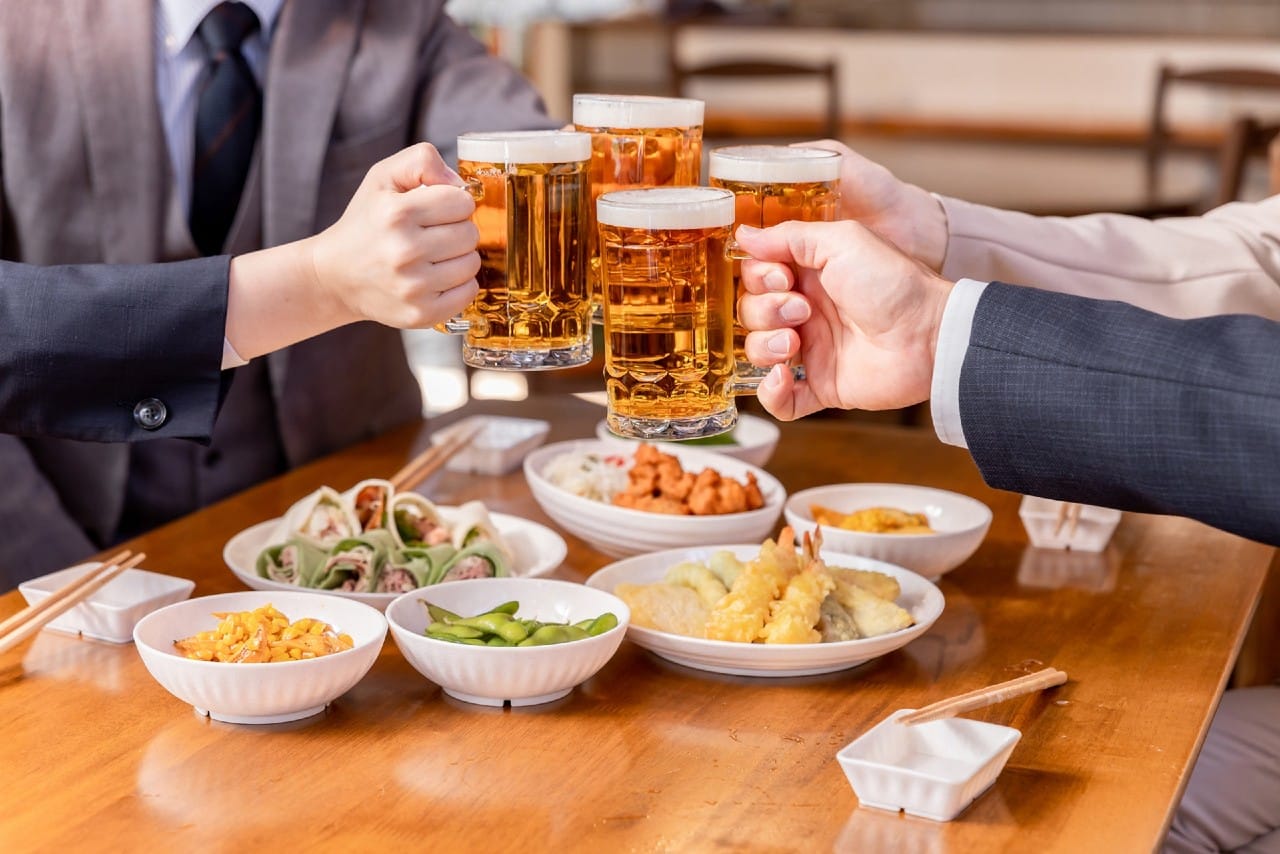
You’ve just sat down at a cozy Tokyo izakaya. You haven’t ordered a thing yet. Then a small dish of pickled vegetables appears on your table — and later shows up on your bill. Is this a scam? Did you accidentally order something? Are you on a hidden-camera show?
“Japan’s restaurants are some of the best in the world. But they come with a few unwritten rules — and nobody hands you the manual.”
Don’t worry: you’re not being cheated. You’ve just hit one of Japan’s delightful dining quirks. Across forums, travel blogs, and Reddit threads, first-time visitors to Japan consistently flag the same handful of moments that blindsided them. Here’s what you need to know before you sit down to eat.
Japan Pocket Wifi Rental
Japan eSIM : Fast & Easy & UNLIMTED
Japan Travel eSIM
Table of Contents
🍢 1. You’ll Be Charged for Food You Never Ordered

Welcome to otoshi — one of the most misunderstood customs in Japanese dining. At most izakayas (casual Japanese pubs), the moment you sit down, a small appetizer or snack will arrive at your table automatically. You didn’t order it. You might not even want it. But it will appear on your bill, usually somewhere between ¥300 and ¥600 per person.
This is not a scam. Think of it less like “food you were tricked into ordering” and more like a seat charge — similar to the bread basket at a European restaurant, except here it’s paid, intentional, and part of the culture. The otoshi signals that the kitchen is ready for you, and it’s the izakaya’s way of saying: the table is yours for the evening.
Not every izakaya enforces it strictly. If you truly don’t want it, you can politely say “Kekkou desu” (結構です) when it arrives — some places will take it back. But in most cases, just enjoy the snack. It’s part of the experience.
One important note: otoshi is largely an izakaya thing. Standard restaurants, ramen shops, and family restaurants typically don’t charge it — so don’t be alarmed if it shows up in some places and not others.
🚶 2. Eating While Walking Is Considered Bad Manners

You’ve just bought a freshly made taiyaki from a street stall in Asakusa, and your instinct is to wander the temple grounds while eating it. Understandable — but in most parts of Japan, eating while walking is considered inconsiderate.
The reasoning is practical as much as cultural: streets and public spaces are shared, and food smells, crumbs, and the possibility of spilling on others are all things Japanese etiquette tries to avoid. It’s not that the snack police will arrest you — but locals will notice, and you’ll stand out as someone who didn’t know the custom.
What visitors often don’t realize is that the right move is right there in front of you: most street food stalls have a small standing area or a designated spot nearby. The vendor expects you to eat there. Some even hand you your food already expecting you to pause, eat, and then continue on your way.
There are exceptions. During festivals (matsuri), designated food streets, and certain tourist areas like Omicho Market in Kanazawa, street eating is perfectly normal and even encouraged. Read the room — if everyone around you is eating while standing at stalls, you’re in a tabearuki zone.
🔔 3. The Server Isn’t Coming — You Have to Call Them

You’ve been sitting for five minutes, menu in hand, scanning the room for a server. No one comes. You try the polite nod. Still nothing. You start to wonder if the restaurant is somehow closed, or if you’re invisible.
Here’s the thing: in Japan, servers deliberately do not approach your table unless you invite them. This isn’t bad service — it’s actually a form of respect for your space and time. You’re given the table, and you’re in control of the pace. When you’re ready, you make the move.
Look on your table or the wall nearby: there’s almost certainly a small call button. Press it, and a server will come quickly. In restaurants without a button, simply say “Sumimasen!” (すみません) — the all-purpose Japanese phrase for “excuse me” — in a clear, calm voice toward the nearest staff member. They’ll come right over.
Don’t snap fingers, wave aggressively, or shout “Hey!” — these feel rude by Japanese standards. “Sumimasen” is genuinely all you need, and saying it once clearly is far more effective than waving your hand.
The same logic applies when you want the bill. Servers won’t hover waiting to clear your table. When you’re ready to leave, press the button or call out “Sumimasen, okaikei onegaishimasu” (お会計お願いします) — “the bill, please.”
🥢 4. One Chopstick Move You Must Avoid

Chopstick etiquette in Japan has a few rules, but one stands out as genuinely important: never stand your chopsticks vertically in a bowl of rice.
This gesture — tatebashi — is directly associated with Japanese funeral rites, where incense sticks and offerings are placed upright in rice for the deceased. Doing it at a dinner table is the chopstick equivalent of placing a graveside offering in the middle of a meal. Japanese people won’t necessarily say anything, but it will create a moment of visible discomfort.
The same goes for passing food chopstick-to-chopstick — another funeral association, where bones of the cremated are handled this way by family members. If you want to share food, place it on your companion’s plate directly.
Not sure where to rest your chopsticks? Use the small ceramic chopstick rest (hashioki) provided at the table. If there isn’t one, lay them horizontally across the rim of your bowl or on a folded napkin. Never stick them anywhere upright.
Other chopstick rules — like not pointing at people or using them to spear food — are good habits too, but the vertical-in-rice rule is the one that truly matters to Japanese people on a cultural level.
🧻 5. The Wet Towel Is for Your Hands (Mostly)

Almost every sit-down restaurant in Japan will bring you a small rolled or folded damp towel before the meal. This is the oshibori, and it’s one of the small hospitality rituals that visitors tend to remember fondly. It also tends to raise a very specific question: hands only, or face too?
The formal answer is hands only. The oshibori is meant to freshen your hands before eating — a hygienic gesture that dates back centuries. Wiping your face, neck, or arms with it at a nice restaurant is considered a little uncouth, in the same way you wouldn’t use a linen napkin at a formal dinner to wipe your forehead.
That said, Japan is a country of practical people. At casual izakayas, ramen counters, and family restaurants, you’ll see Japanese salarymen blithely wiping their faces without a second thought — especially in summer. The real etiquette call: read the formality of the room.
Whatever you do, don’t use the oshibori to wipe the table. And once you’re done with it, fold or roll it back neatly and set it aside — don’t leave it crumpled in a ball on the table.
📋 The Cheat Sheet
- Otoshi charge: Small automatic appetizer at izakayas — it’s a seat fee, not a scam.
- No eating while walking — find the standing spot near the stall.
- Call the server yourself — press the button or say “Sumimasen!”
- Never stand chopsticks upright in rice — funeral association.
- Oshibori is for hands — fold it neatly when done.
🍱 The Bigger Picture
Every single one of these quirks has a logic rooted in Japanese values: consideration for others, respect for shared spaces, and the sense that hospitality is a two-way contract between guest and host. Once you understand that foundation, these rules stop feeling like obstacles and start feeling like part of what makes eating in Japan so distinctly, wonderfully Japanese.
The country that invented the omakase tasting menu, the standing ramen bar, and the 7-Eleven onigiri as a culinary art form is not going to let you down at the table. You just have to know the unwritten menu.
Frequently Asked Questions
Is tipping expected at Japanese restaurants?
No — tipping is not customary in Japan and can occasionally cause confusion or embarrassment. Exceptional service is simply part of the standard; no extra payment is expected or necessary.
Can I ask for the otoshi to be removed from my bill?
You can try, but it’s not always possible. Some izakayas treat it as a fixed charge like a cover fee. Politely saying “Kekkou desu” when it’s placed can sometimes work, especially if you prefer not to have it.
What if I’m not confident using chopsticks?
Most restaurants are happy to provide a fork if asked — especially in tourist areas. There’s no shame in it. That said, giving chopsticks a try is always appreciated by local staff.
Are there restaurants in Japan where you pay before eating?
Yes — ramen shops and some casual lunch spots use a ticket vending machine (kenbaiki) at the entrance. You select and pay for your meal before sitting down. It’s fast, easy, and usually has picture buttons.
Planning your trip to Japan? Stay connected from day one — no SIM swaps, no roaming surprises.
Short trip or long stay — we've got you covered
Best for Travelers
Japan eSIM
From ¥2,800 — activate before you land
- Cheaper than airport & convenience store SIMs
- 5-day to 135-day plans; unlimited or data-capped
- No SIM swap needed — ready in 2 minutes
Best for Long Stays
Monthly Pocket WiFi
From ¥5,500/mo — unlimited, no throttle
- Choose WiMAX 5G or SoftBank 4G coverage
- 3 to 12-month contracts — longer means cheaper
- Delivered to your hotel or airport post office


