
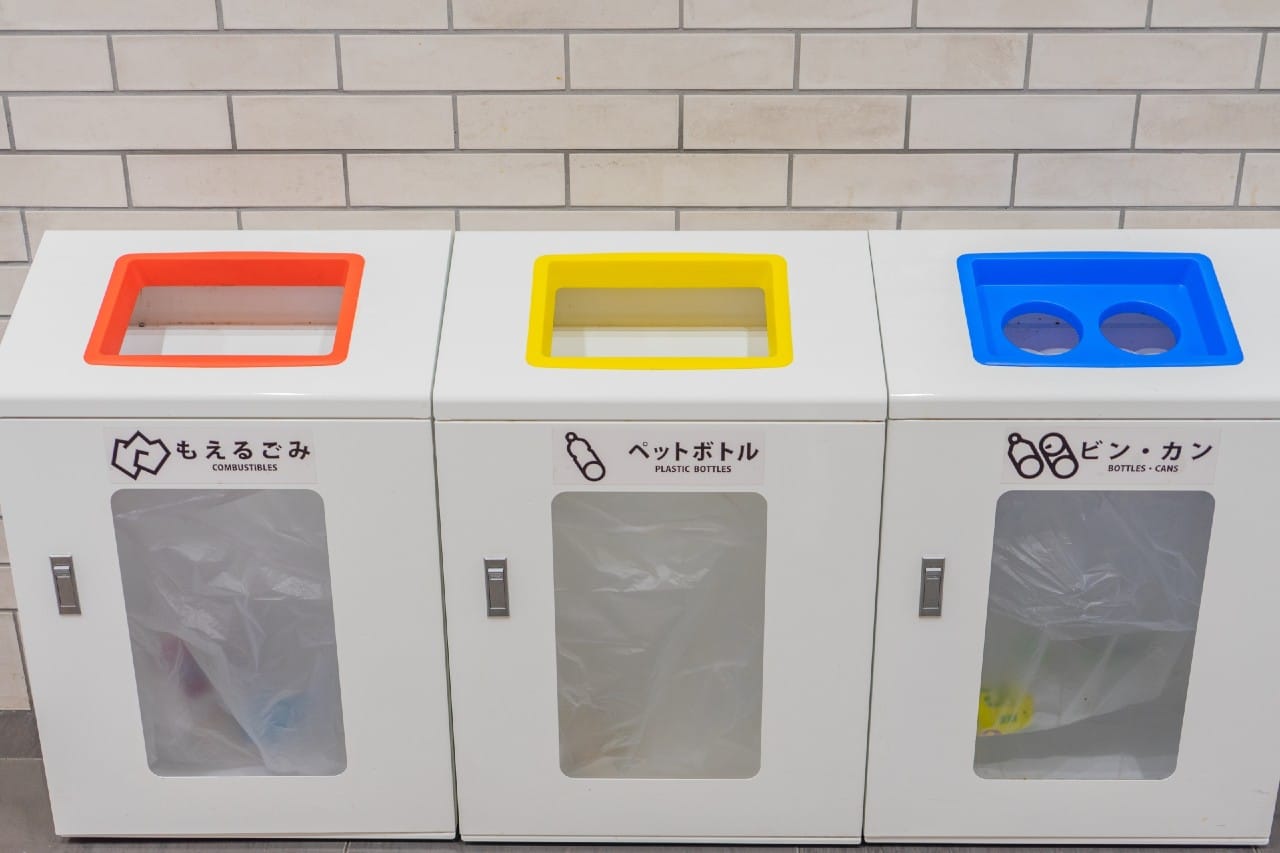
You’ve walked three blocks from Shibuya Crossing, empty Starbucks cup in hand, and there’s still no trash can in sight. Sound familiar?
In 2026, Shibuya finally did something about it — and there’s a fine if you don’t play by the new rules.
“Why are there no trash cans in Japan?” It’s one of the first things every first-time visitor asks — usually while juggling a convenience store bag, a taiyaki wrapper, and the quiet panic of not wanting to litter in a country where the streets are somehow spotlessly clean.
Japan Pocket Wifi Rental
Japan eSIM : Fast & Easy & UNLIMTED
Japan Travel eSIM
The answer is complicated (we’ll get to that), but the situation in Shibuya is about to change. In 2026, the Shibuya Ward government passed an ordinance that does two things at once: forces more businesses to provide public trash bins, and starts handing out fines to anyone caught littering on the street.
Good news and a heads-up, wrapped in the same package. Here’s everything you need to know before you visit.
The New Rules: Two Phases, Two Very Different Vibes
The 2026 Shibuya ordinance rolls out in two stages. One is a gift to tourists. The other is a warning.
Takeout food vendors in the Shibuya, Harajuku, and Ebisu areas are now legally required to provide accessible trash bins for customers — at or near their storefront.
Shibuya Ward begins active enforcement. Dropping any trash on the street — wrappers, cans, cigarette butts — can result in an on-the-spot fine of ¥2,000.
The Fine: On-the-Spot, and Yes, You Can Pay by Card
¥2,000 — That’s About $13 USD. Don’t Test It.
From June 2026, patrol officers will be actively monitoring the designated zones around Shibuya Station. Dropping any litter — cigarette butts, drink cans, food packaging, anything — can result in being stopped and fined on the spot. The fine is ¥2,000 per incident.
Here’s where it gets interesting — and very 2026.
Most visitors still picture Japan as a cash-only society. Vending machines, yes. Card payments, sometimes. But a littering fine you can tap your phone to pay? That’s new.
Enforcement officers carry mobile payment terminals. If you’re issued a fine, you can settle it on the spot — no cash required, no trip to a convenience store, no bank transfer. Just tap, chip, or swipe.
It’s a detail that surprises a lot of Western visitors — and honestly, it’s hard to argue with the logic. If the goal is enforcement, making payment frictionless removes every excuse.
Why Now? The Pressure Behind the Policy
For decades, Japan’s approach to public waste was essentially: don’t generate it, and if you do, take it home. The near-absence of street-level trash bins wasn’t an oversight — it was a deliberate policy, rooted in the idea that responsible citizens carry their own rubbish until they find an appropriate disposal point.
It worked beautifully in a domestic context. It started breaking down the moment international tourism numbers exploded. Shibuya in particular — home to the world’s most photographed crosswalk — now sees footfall that its waste infrastructure was simply never designed to handle. The Shibuya Ward Mayor publicly acknowledged that asking visitors to carry trash back to their hotels was an increasingly unrealistic expectation in one of the world’s busiest tourist districts.
The 2026 ordinance is the response: meet visitors halfway with more infrastructure, but pair it with real consequences for anyone who treats the street like a bin anyway. It’s a significant shift for a country that has historically relied on civic culture over legislation when it comes to cleanliness.
Survival Guide: How to Dispose of Trash Like a Local
- Look for the “Shibuya Clean Project” signage
The new mandate-compliant bins will typically be marked with the official Shibuya Clean Project logo or equivalent signage. These are your safest, most legitimate disposal points — use them freely. - Sorting still matters — even at the new bins
Japan’s waste separation culture doesn’t disappear just because there are more bins. Look for 燃えるゴミ (burnable/general waste) and リサイクル (recyclables) labels. Cans and PET bottles go in recycling, not general waste. When in doubt, look at what’s already in the bin. - Dispose where you buy
The unwritten rule — and the polite one — is to use the bin at the shop where you bought the item. Technically you can use any compliant bin, but walking into a café and dropping someone else’s trash in their bin is still considered poor form. Buy where you bin. - Convenience stores are still your backup
7-Eleven, FamilyMart, Lawson — the holy trinity of Tokyo convenience. Their entrance bins have always been the reliable fallback for tourists, and that doesn’t change. Buying something first isn’t required, but it’s good manners and usually results in friendlier staff. - Smokers: take extra care
Cigarette butts are a priority enforcement target under the new rules. Shibuya already has designated smoking zones; lighting up outside them and dropping a butt could mean you’re violating multiple ordinances at once. Use the designated areas, and make sure there’s a proper receptacle before you light up.
A Cleaner Shibuya — If Everyone Plays Along
Shibuya’s 2026 ordinance is, genuinely, a win for visitors. More bins near the crossing, near Takeshita Street, near the bars of Dogenzaka — the city is meeting tourists halfway in a way it historically hasn’t.
But “more bins” doesn’t mean “anything goes.” The fine is real, the enforcement is active, and the cashless payment terminals mean there’s no wriggling out of it. The ask is simple: use the bins, sort your waste, and don’t treat one of the world’s most remarkable urban spaces like your personal garbage patch.
Follow these rules and you’re contributing to something genuinely worth protecting. Ignore them and you’re out ¥2,000 before lunch.
Keep That ¥2,000 for a Bowl of Ramen
The rule is simple: find a bin, sort it right, bin where you buy. Do those three things and Shibuya’s streets — and your wallet — will both thank you.
- Shibuya Ward Official Notice: Mandatory Trash Bin Ordinance
www.city.shibuya.tokyo.jp — Shibuya Ward Trash Bin Rules
- Shibuya Ward Official Notice: Littering Prohibition & Fine Enforcement
www.city.shibuya.tokyo.jp — Shibuya Ward Anti-Littering Rules
Short trip or long stay — we've got you covered
Best for Travelers
Japan eSIM
From ¥2,800 — activate before you land
- Cheaper than airport & convenience store SIMs
- 5-day to 135-day plans; unlimited or data-capped
- No SIM swap needed — ready in 2 minutes
Best for Long Stays
Monthly Pocket WiFi
From ¥5,500/mo — unlimited, no throttle
- Choose WiMAX 5G or SoftBank 4G coverage
- 3 to 12-month contracts — longer means cheaper
- Delivered to your hotel or airport post office


